

In the realm of online gaming, few titles have made as significant an impact as World of Warcraft. Launched in 2004, this iconic MMORPG has captivated millions with its expansive universe, rich lore, and immersive gameplay. Players from around the globe have forged alliances, battled formidable foes, and explored the ever-evolving landscapes of Azeroth.
As a pioneer in the gaming industry, World of Warcraft has not only set the standard for multiplayer experiences but has also created a vibrant community that thrives on collaboration and competition. With regular expansions and updates, it continues to draw in both new players and seasoned veterans, ensuring its place as a staple in the gaming world. Whether you’re a casual gamer or a hardcore raider, there’s something in World of Warcraft for everyone.
Overview of World of Warcraft
World of Warcraft (WoW) stands as a monumental title in the MMORPG genre. Its blend of rich narrative, expansive settings, and engaging mechanics has reshaped the gaming landscape since its release.
Brief History of the Game
World of Warcraft debuted on November 23, 2004. Blizzard Entertainment developed the game, building on a legacy of successful real-time strategy games within the Warcraft universe. WoW quickly gained popularity, boasting over 12 million subscribers at its peak in 2010. Major expansions, such as “The Burning Crusade” and “Wrath of the Lich King,” introduced new content and stories, enhancing the player experience. Continuous evolution through updates ensures its relevance, attracting new players while retaining veterans.
Gameplay Mechanics
World of Warcraft features robust gameplay mechanics that define its playstyle. Players create characters from various races and classes, each with unique abilities. The game emphasizes questing, allowing players to explore the world, complete tasks, and gain experience points. Group dynamics play a crucial role in raid and dungeon scenarios, fostering teamwork and strategy. Player versus player (PvP) combat adds competitive elements, with arenas and battlegrounds offering structured environments for skilled players. The game’s crafting and resource management systems encourage economic interaction among players, creating a lively in-game marketplace.
Game Features
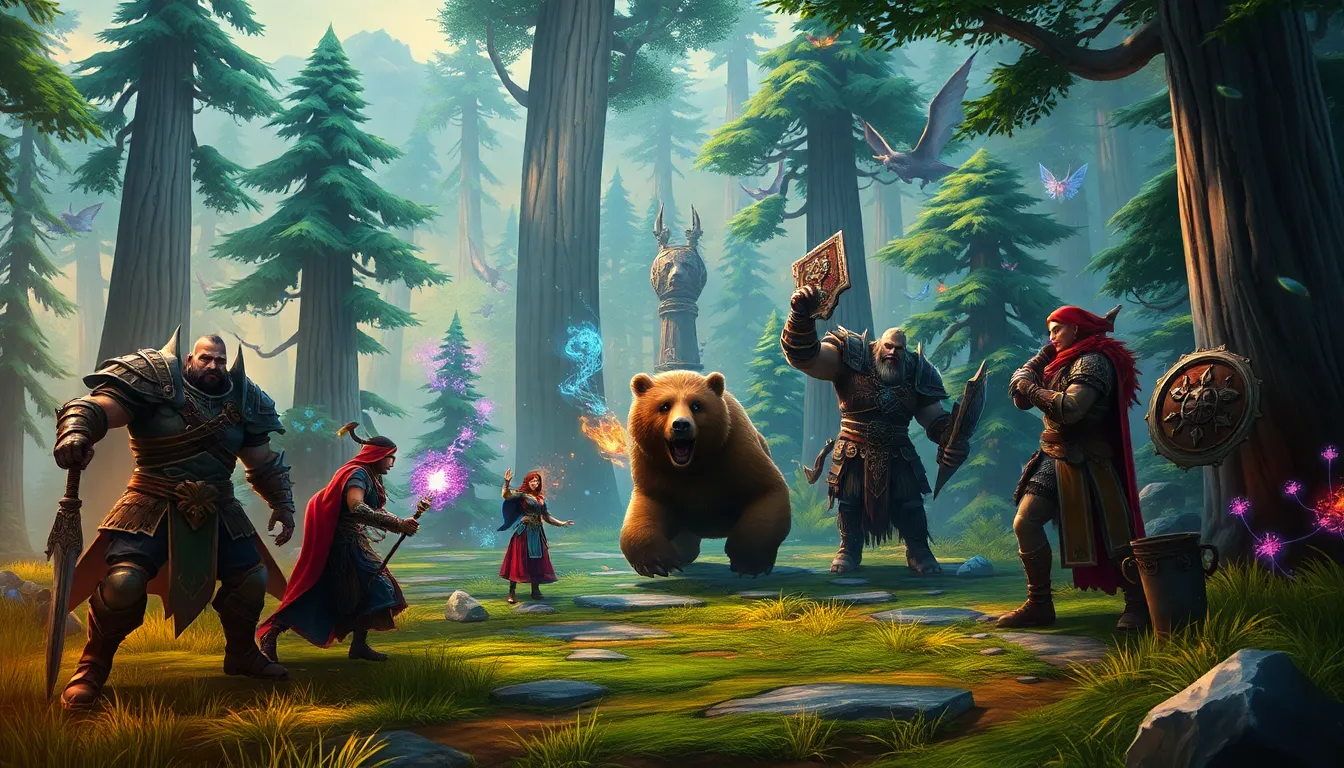
World of Warcraft (WoW) offers a diverse range of features that enhance player engagement and gameplay experience.
Classes and Races
Classes and races in WoW provide players with unique abilities and playstyles. Each race has distinct traits that influence gameplay, like heightened agility or increased strength. Players choose from various classes, including:
- Warrior: A frontline combatant specializing in melee attacks.
- Mage: A spellcaster with powerful ranged abilities.
- Rogue: A stealthy class focused on quick, lethal strikes.
- Druid: A shapeshifter, capable of fulfilling multiple roles in combat.
- Paladin: A holy warrior with defensive and supportive capabilities.
Choosing a combination of class and race significantly impacts each player’s gaming journey, enabling tailored experiences in both solo and cooperative play.
PVE and PVP Experiences
WoW offers rich Player vs. Environment (PvE) and Player vs. Player (PvP) experiences. PvE gameplay includes:
- Quests: Engaging storylines guiding players through the expansive world.
- Dungeons: Group activities designed for cooperative exploration and combat against formidable foes.
- Raids: Large-scale encounters requiring strategic team coordination to defeat powerful bosses.
PvP provides competitive scenarios, featuring:
- Arenas: Structured environments for team-based combat, emphasizing tactics and skill.
- Battlegrounds: Large-scale warfare scenarios where teams compete for objectives.
- World PvP: Open-world engagements, allowing spontaneous player encounters in various zones.
These varied experiences ensure that players find challenges and rewards, regardless of their preferred style of play.
Expansion Packs
World of Warcraft (WoW) has released numerous expansion packs since its launch, each offering fresh content and gameplay enhancements that keep the player base engaged. These expansions expand the narrative depth and introduce new challenges for both new and veteran players.
Notable Expansions
- The Burning Crusade: Released in January 2007, this expansion introduced the shattered world of Outland, two new playable races—Blood Elves and Draenei—and the first raid, Karazhan. Players experience increased level caps and new talents.
- Wrath of the Lich King: Launched in November 2008, this expansion brought players to Northrend to confront the Lich King, adding the Death Knight class. A rich storyline unfolds through quests and dungeons like Icecrown Citadel.
- Cataclysm: In December 2010, players witnessed the transformation of Azeroth as Deathwing shattered the world. The expansion featured new zones and two additional races—Goblin and Worgen—along with a raised level cap.
- Mists of Pandaria: Released in September 2012, this expansion introduced the Pandaren as a playable race and the Monk class. Players explored the continent of Pandaria, filled with lush environments and new gameplay mechanics.
- Warlords of Draenor: Launched in November 2014, this expansion focused on an alternate version of Draenor, introducing the Garrison feature, which allowed players to build and manage their own bases.
- Legion: Released in August 2016, Legion brought players back to the Broken Isles to combat the demonic Burning Legion. It introduced the Demon Hunter class and significant changes to class systems.
- Battle for Azeroth: Debuting in August 2018, this expansion reignited the conflict between the Alliance and the Horde, featuring new races, warfronts, and islands for exploration.
- Shadowlands: Launched in November 2020, Shadowlands introduces players to the Shadowlands realms, the afterlife of WoW. It offers the Covenants system, allowing players to align with one of four factions for unique abilities.
Changes and Improvements in Each Expansion
- New Content: Every expansion includes new zones, quests, dungeons, and raids, expanding the game’s rich lore and providing players with fresh experiences.
- Gameplay Mechanics: Expansions often introduce new classes or races, allowing for varied playstyles. Class balance and abilities are fine-tuned to improve gameplay experience.
- Level Cap Increases: Each expansion raises the maximum level, pushing players to progress and acquire better gear. This escalation encourages continual character development.
- Enhanced User Interface: Changes in the UI improve player interaction and accessibility, streamlining inventory management and quest tracking.
- Crafting and Professions: Expansions regularly introduce new crafting materials and profession options, enhancing the in-game economy and providing players with more opportunities for customization.
- World Events: Major lore-driven events, often linked with expansions, immerse players in the world, driving community engagement and interaction.
- Quality of Life Features: Expansions often focus on player feedback, incorporating adjustments that enhance overall gameplay, such as faster travel options and improved quest tracking.
- PvP Enhancements: Changes to battlegrounds, arenas, and PvP systems ensure competitive balance and invigorate the player-versus-player experience.
Community and Culture
World of Warcraft (WoW) fosters a vibrant community, uniting players from diverse backgrounds around shared experiences. This interactive environment encourages collaboration, competition, and socialization, enriching the gameplay experience.
Player Community Dynamics
Player community dynamics in WoW emphasize teamwork and social connections. Guilds serve as the backbone of this community, allowing players to team up for quests, raids, and various in-game activities. Guilds include casual social groups and competitive raid teams, catering to different player interests and play styles. Participation in community events, such as in-game celebrations or charity tournaments, enhances camaraderie among players. Online forums and external platforms, including Discord and Reddit, provide additional spaces for discussions, strategy sharing, and friendships that extend beyond gameplay.
Impact on Gaming Culture
WoW significantly influences gaming culture, shaping social norms and practices within the online gaming community. The introduction of standard multiplayer concepts, such as loot sharing and cooperative quests, encourages interactions and social systems present in many modern games. The game has inspired numerous content creators, leading to a thriving ecosystem of streams, videos, and fan art that reinforces community involvement. Furthermore, WoW’s annual BlizzCon event celebrates its extensive lore, gameplay innovations, and community achievements, serving as a cultural touchstone for fans globally.
Visuals and Sound Design
World of Warcraft (WoW) showcases a unique blend of captivating visuals and immersive sound design that enhance the overall gaming experience. These elements contribute significantly to the game’s atmospheric depth and player engagement.
Art Style and Graphics
WoW features a vibrant and stylized art style, setting it apart from many modern MMORPGs. The use of bright colors and distinct character designs creates a whimsical yet rich fantasy world. Graphics evolve with each expansion, enhancing texture quality, lighting, and environmental details. For example, “Shadowlands” introduced updated character models and intricate environments, providing players with an even more immersive experience. The game’s iconic stylistic approach, characterized by its cartoonish yet detailed graphics, appeals to a broad audience while maintaining clarity during intense gameplay scenarios.
Music and Sound Effects
WoW’s music and sound effects play a crucial role in its immersive atmosphere. Renowned composer Jason Hayes crafted the original soundtrack, blending orchestral elements with thematic motifs that reflect various zones and gameplay moments. Each in-game area features unique scores, enhancing player exploration and adventure. Moreover, sound effects contribute to the immersive environment; players hear the crackling of spells or the clashing of swords during combat, intensifying engagement. Voice acting adds depth to character interactions, enriching the storytelling experience and making the world feel alive. Regular sound updates align with expansions, keeping the auditory experience fresh and relevant.
World of Warcraft remains a monumental force in the gaming industry. Its ability to evolve through expansions and updates keeps the experience fresh for both new and veteran players. The rich lore and immersive gameplay create a captivating environment that encourages exploration and collaboration.
The vibrant community surrounding WoW enhances the overall experience, fostering connections among players worldwide. With its stunning visuals and engaging sound design, the game continues to set benchmarks in the MMORPG genre. As it moves forward, WoW will undoubtedly maintain its status as a beloved classic, inviting players to embark on new adventures in the ever-expanding universe of Azeroth.

