
In the ever-exciting world of gaming handhelds, two titans have emerged: the Lenovo Legion Go and the Asus ROG Ally. Think of it like choosing between your morning coffee and a high-octane energy drink. Both pack a punch, but they cater to different cravings. As gaming enthusiasts, we want gear that not only looks good but performs excellently under pressure, right? So, let’s jump into the specs and see which one might just be the perfect sidekick for your gaming adventures.
Overview of Gaming Handhelds
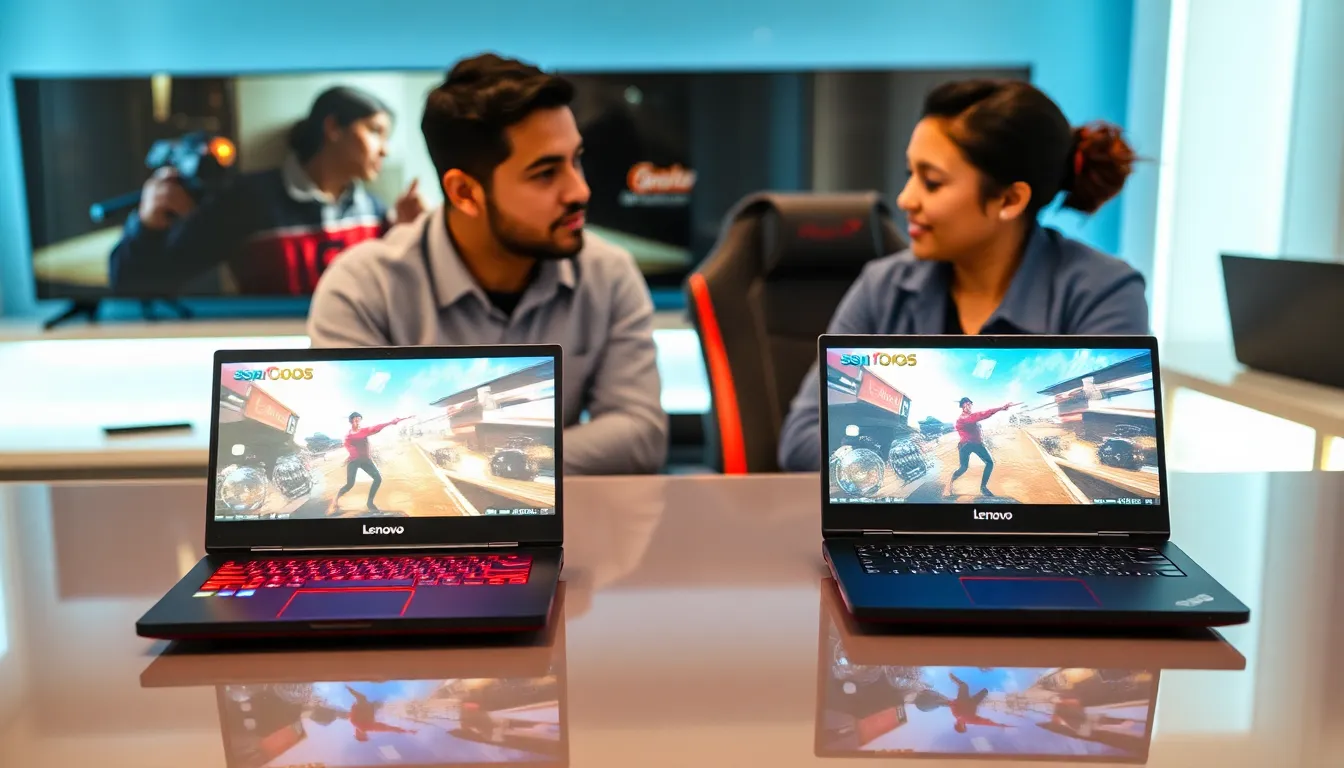
The landscape of gaming handhelds is changing more rapidly than a speedrunner at a major event. With an ever-growing demand for portable gaming solutions without sacrificing performance, companies like Lenovo and Asus are stepping up their game. The Lenovo Legion Go and Asus ROG Ally are engineered to provide top-tier gaming experiences on the go. Both systems promise powerful hardware in compact designs, catering to mobility and performance enthusiasts alike. They appeal to different types of gamers, whether you’re someone who gravitates towards AAA titles or indie gems. Let’s break down how these two contenders measure up.
Design and Build Quality
When it comes to gaming handhelds, design is vital. The Lenovo Legion Go sports a robust design, showcasing a striking aesthetic that feels both futuristic and comfortable. On the other hand, the Asus ROG Ally leans towards a sleek profile with vibrant RGB accents. It’s like the difference between a superhero’s classic suit versus their flashy armor. Also, the ergonomics of both devices matter greatly: one might favor the Legion Go’s slightly bulkier grip, especially during long marathons, while another might appreciate the lightweight design of the Ally, making it easy to carry around. The materials used in their construction are notable too. Although the Legion Go employs sturdy plastics, the Ally offers a slightly premium feel with its aluminum chassis, hinting at durability.
Performance Specifications
Performance is the backbone of any gaming device. The Lenovo Legion Go is powered by AMD’s latest Ryzen Z1 Extreme processor, boasting impressive multitasking capabilities. With graphics handled by RDNA 3 architecture, it provides stunning visuals for modern titles. Contrastingly, the Asus ROG Ally features a custom AMD architecture optimized for performance with its Ryzen Z1 chip. In terms of RAM, while the Legion Go offers up to 16GB, the Ally sits comfortably at a generous 16GB as well, ensuring everything runs smoothly during critical gameplay moments. Both devices can run demanding games, but subtle differences in thermal management and cooling systems might sway hardcore gamers. Each system has also integrated fast SSD storage to minimize loading times, ensuring gameplay doesn’t suffer.
Display Features
Now, let’s talk displays, the windows into our immersive worlds. The Lenovo Legion Go flaunts a sizeable 7-inch touchscreen with a resolution of 2560 x 1600. This allows for crisp visuals and marvelous detail, elevating everything from action-packed sequences to serene landscapes. The brightness levels and color accuracy are top-notch, making it a treat for the eyes. In comparison, the Asus ROG Ally packs a punch with its 7-inch display as well, but with a slightly lower resolution at 1920 x 1080. Nonetheless, it compensates with a 120Hz refresh rate, ensuring fluid motion in fast-paced games. Whether you prioritize resolution or refresh rate might depend on your gaming preferences. Regardless of the choice, both systems deliver stellar experiences.
Battery Life and Charging
A gamer’s worst nightmare? Running out of battery in the thick of battle. Both the Lenovo Legion Go and the Asus ROG Ally aim to keep you in the action. The Legion Go boasts a significant 8000mAh battery, designed to keep your sessions alive longer. Lenovo emphasizes efficiency, which means you can expect a solid performance combined with longevity. In contrast, the ROG Ally also presents a robust battery but with a focus on rapid charging, hitting nearly 80% in just under an hour. Whether you’re commuting or enjoying a casual gaming night with friends, both devices will have your back, with the Legion Go winning out slightly on longevity, while the ROG Ally leads on quick power-ups.
Connectivity Options
Connectivity is vital for modern gamers. The Lenovo Legion Go shines with various ports, including USB-C, HDMI, and support for Bluetooth, allowing for seamless connections with a variety of devices. Game enthusiasts can leverage this versatility to enhance their experience with controllers, headsets, or even displays for larger viewing. The Asus ROG Ally also boasts robust connectivity with USB-C and HDMI outputs, ensuring gamers can connect to their favorite peripherals easily. Also, both devices support Wi-Fi 6, promoting stable online connections, vital for multiplayer action. The emphasis on connectivity features positions both handhelds well: but, Lenovo’s additional HDMI port gives it a slight edge.
Software and User Experience
The software experience can often make or break a device, and both Lenovo and Asus understand this well. Lenovo’s Legion Go operates on Windows 11 Home, offering a familiar desktop experience akin to your gaming PC, translating smoothly to handheld form. Gamers will enjoy consistent updates and a simple interface that feels snappy. Meanwhile, the Asus ROG Ally relies on the Windows platform too, aiming at gamers who want a console-like experience on the go. Asus integrates its ROG software suite to enhance gaming performance and graphics settings, providing a delightful user experience. Both systems show flexibility in app support, but Lenovo’s user-friendly interface might appeal to those seeking simplicity without sacrificing power.
Price and Availability
When it comes to pricing, both handhelds sit close on the spectrum, catering to dedicated gamers ready to invest in quality gear. The Lenovo Legion Go typically retails around $699, while the Asus ROG Ally hovers around the same price point, often fluctuating based on sales. Availability has become important with chip shortages affecting the market, but both manufacturers are actively working to keep up with demand. Early adopters might face challenges, but long-term gamers will see the value in each device. Given the specs, dedicated users should consider what features resonate most with their gaming style before making a purchase.

